The Psychology of Color in Home Design
Discover how different colors affect mood and create the perfect atmosphere for each room in your home.
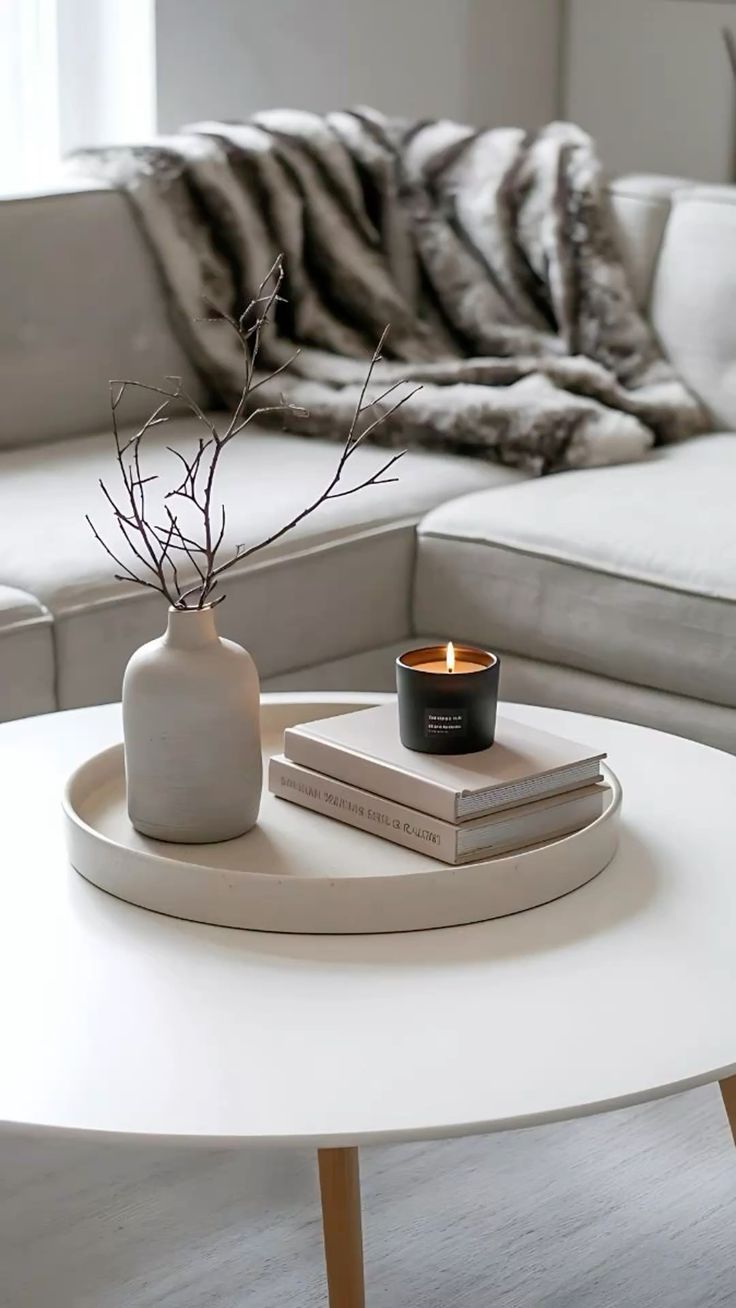
Color is one of the most powerful tools in interior design. It can influence our mood, affect our perception of space, and even impact our behavior. Understanding color psychology is essential for creating spaces that not only look beautiful but also feel right for their intended purpose.
The Science Behind Color Psychology
Colors have been scientifically proven to affect our emotions and physiological responses. Warm colors like red, orange, and yellow can increase energy levels and stimulate appetite, while cool colors like blue, green, and purple tend to have a calming effect.
Room-by-Room Color Guide
Living Room
The living room is where families gather and guests are entertained. Warm neutrals like beige, cream, and soft grays create a welcoming atmosphere. Accent colors like deep blues or forest greens add sophistication without overwhelming the space.
Bedroom
Bedrooms should promote relaxation and rest. Soft blues, lavender, and sage green are excellent choices for creating a peaceful environment. Avoid bright, stimulating colors that might interfere with sleep.
Kitchen
Kitchens benefit from colors that stimulate appetite and energy. Warm yellows, soft oranges, and crisp whites create an inviting cooking environment. Red accents can increase appetite but should be used sparingly.
Bathroom
Bathrooms should feel clean and refreshing. Light blues, soft greens, and crisp whites create a spa-like atmosphere. These colors also make small spaces feel larger and more open.

Color Temperature and Mood
Understanding color temperature is crucial for setting the right mood. Warm colors (reds, oranges, yellows) create energy and excitement, while cool colors (blues, greens, purples) promote calm and relaxation. Neutral colors provide balance and versatility.
Practical Tips for Choosing Colors
- Consider the room's natural light when selecting colors
- Test paint samples in different lighting conditions
- Use the 60-30-10 rule: 60% dominant color, 30% secondary color, 10% accent color
- Consider the psychological effect you want to achieve
- Don't forget about color flow between rooms
Final Thoughts
Remember, color psychology is a guide, not a rule. Personal preferences and cultural associations also play important roles in how we perceive colors. The most important thing is that you feel comfortable and happy in your space.
Start with colors that make you feel good, then use color psychology principles to enhance the mood and functionality of each room. With the right color choices, you can transform your home into a space that not only looks beautiful but also supports your well-being and lifestyle.
Sarah Johnson
Interior Design Expert
Sarah has over 10 years of experience in interior design, specializing in color theory and space planning. She believes that the right colors can transform any space and loves helping homeowners create beautiful, mood-enhancing environments.
Related Articles
Transform Your Home with Perfect Lighting Design
Learn how to choose the right lighting fixtures and create the perfect ambiance...
How to Choose the Perfect Wall Art
A comprehensive guide to selecting artwork that complements your interior design...
Comments
This article was incredibly helpful! I never realized how much colors could affect mood. I'm definitely going to try some of these tips in my bedroom.
The section on kitchen colors is spot on. I painted my kitchen a warm yellow last year and it really does make cooking more enjoyable!