How to Choose the Perfect Wall Art for Your Space
A comprehensive guide to selecting artwork that complements your interior design and personal style.

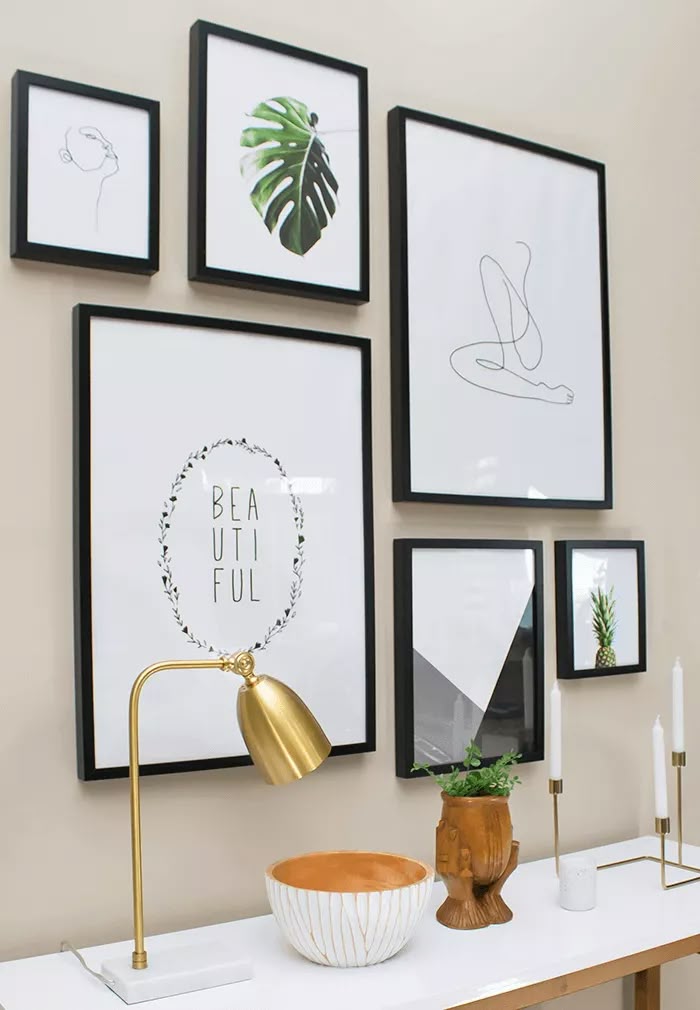
Wall art is one of the most powerful tools in interior design for expressing personality and creating visual interest in a space. The right artwork can transform a bland wall into a captivating focal point, while the wrong choice can make even the most beautifully decorated room feel incomplete. With so many options available—from paintings and photographs to sculptures and tapestries—choosing the perfect wall art can feel overwhelming. This guide will walk you through the essential considerations to help you make confident, stylish choices.
Understanding Your Space
Before selecting any artwork, take time to understand the space where it will live. Consider these key factors:
Room Function and Mood
The purpose of the room should guide your art selection. A bedroom might call for calming, serene pieces, while a living room could accommodate more dynamic, conversation-starting works. Think about how the room is used and what emotions you want to evoke.
Existing Color Palette
Your artwork doesn't need to match your walls exactly, but it should complement your overall color scheme. Look for pieces that either:
- Feature colors already present in the room
- Introduce a new accent color that enhances the space
- Provide neutral tones that blend seamlessly
Lighting Conditions
Natural and artificial lighting dramatically affects how artwork appears. North-facing rooms receive cool light that enhances blues and grays, while south-facing rooms get warm light that brings out reds and yellows. Consider how lighting will impact your art choices.
Size and Scale Considerations
One of the most common mistakes in wall art selection is choosing pieces that are either too large or too small for the space. Here's how to get it right:
Wall Art Size Guidelines
- Large walls: Go bold with oversized pieces or create a gallery wall
- Small walls: Choose intimate, smaller-scale works
- Above furniture: Art should be 2/3 the width of the furniture piece below
- Hallways: Long, narrow pieces work best in corridor spaces
Proper Hanging Heights
The center of your artwork should be at eye level, typically 57-60 inches from the floor. When hanging above furniture, position the piece 6-8 inches above the furniture top.
Style and Aesthetic Harmony
Your wall art should feel cohesive with your overall design aesthetic, whether that's modern, traditional, eclectic, or minimalist.
Matching Your Design Style
- Modern/Contemporary: Abstract pieces, clean lines, monochromatic palettes
- Traditional: Classic landscapes, portraits, ornate frames
- Eclectic: Mix different styles, eras, and mediums for an intentionally curated look
- Minimalist: Simple, uncluttered pieces with strong visual impact
Creating Visual Flow
Consider how your artwork relates to other elements in the room. The style, colors, and subject matter should create a sense of connection throughout the space.
Types of Wall Art
Understanding the different types of wall art available can help you make informed decisions:
Paintings
Original paintings offer unique artistic expression and can become family heirlooms. Prints and reproductions provide access to renowned works at more accessible price points.
Photography
From black and white architectural shots to vibrant nature photography, this medium offers endless possibilities for personal expression and style.
Textile Art
Tapestries, woven pieces, and fabric wall hangings add texture and warmth to spaces, particularly effective in minimalist or Scandinavian designs.
Sculptural Elements
Three-dimensional wall art creates depth and visual interest, from simple wall sculptures to complex mixed-media installations.
Personal Connection and Meaning
While design principles are important, the most successful wall art choices are those that resonate personally with you.
Emotional Resonance
Choose pieces that evoke positive emotions or memories. Art that makes you feel happy, calm, or inspired will enhance your daily experience of the space.
Personal Storytelling
Consider artwork that tells your story—whether it's travel photography from meaningful trips, family portraits, or pieces by local artists whose work you admire.
Budget Considerations
Quality wall art is an investment that can last for decades. Consider these budget-friendly approaches:
- Start with one statement piece rather than multiple smaller works
- Shop at local art fairs and emerging artist showcases
- Consider prints from established artists
- Frame meaningful items like vintage maps or handwritten letters
Final Thoughts
Choosing the perfect wall art is both an art and a science. By considering your space, size requirements, design aesthetic, and personal preferences, you can select pieces that transform your walls into expressions of your unique style. Remember that art is subjective—trust your instincts and choose pieces that make you feel good every time you see them.
Don't feel pressured to fill every wall immediately. Building a curated collection over time often results in more thoughtful and cohesive displays. Start with one or two key pieces and let your collection evolve naturally.
Michael Chen
Art & Design Consultant
Michael is an art and design consultant with over 12 years of experience helping clients select and curate artwork for residential and commercial spaces. He specializes in bridging the gap between artistic expression and functional design.
Related Articles
Transform Your Home with Perfect Lighting Design
Learn how to choose the right lighting fixtures and create the perfect ambiance...

Indoor Plants Care Guide
Complete guide to caring for indoor plants and keeping them healthy...
Comments

This article was so helpful! I've been struggling to choose art for my living room and now I have a much clearer idea of what to look for.

The section on lighting conditions was an eye-opener. I never realized how much natural light affects how art looks on the wall.