Transform Your Home with Perfect Lighting Design
Learn how to choose the right lighting fixtures and create the perfect ambiance for every room in your home.

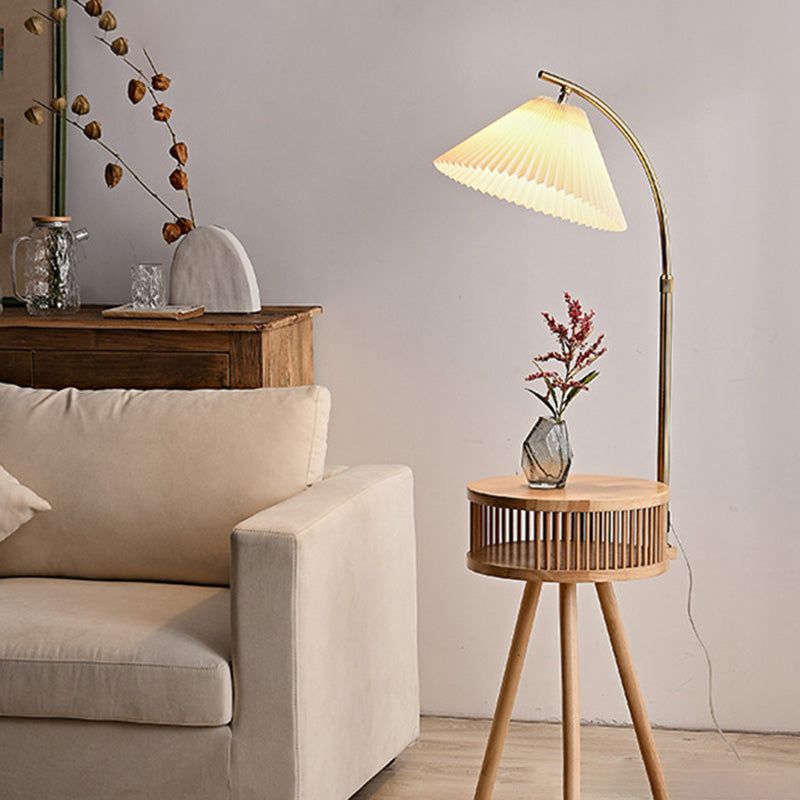
Lighting is one of the most important elements in interior design, yet it's often overlooked until the very end of the decorating process. The right lighting can transform a space, creating mood, highlighting architectural features, and improving functionality. Whether you're building a new home or renovating an existing one, understanding lighting design principles will help you create spaces that are both beautiful and practical.
The Three Layers of Lighting
Great lighting design is built on three fundamental layers: ambient, task, and accent lighting. Each serves a different purpose and works together to create a well-balanced lighting scheme.
1. Ambient Lighting
Ambient lighting provides overall illumination for a room and serves as the foundation of your lighting design. This is the general lighting that allows you to navigate safely and see clearly throughout the space.
- Ceiling fixtures: Chandeliers, pendant lights, and flush-mount fixtures
- Recessed lighting: Can lights and downlights for even illumination
- Wall sconces: Provide soft, diffused lighting
- Natural light: Windows and skylights that bring in daylight
2. Task Lighting
Task lighting provides focused illumination for specific activities such as reading, cooking, or working. This layer ensures that you have adequate light where you need it most.
- Desk lamps: Adjustable lighting for work areas
- Under-cabinet lighting: Perfect for kitchen countertops
- Reading lamps: Floor lamps and table lamps for comfortable reading
- Vanity lighting: Bright, even lighting for grooming tasks
3. Accent Lighting
Accent lighting adds drama and visual interest by highlighting specific features or objects in your space. This layer creates depth and dimension while drawing attention to your favorite design elements.
- Picture lights: Illuminate artwork and photographs
- Display lighting: Showcase collections and decorative objects
- Architectural lighting: Highlight interesting architectural features
- Landscape lighting: Create ambiance in outdoor spaces
Room-by-Room Lighting Guide
Living Room Lighting
The living room is typically the most used space in the home, so it needs flexible lighting that can adapt to different activities and moods.
- Use dimmer switches to control brightness levels
- Layer table lamps and floor lamps for reading and conversation areas
- Consider recessed lighting for ambient illumination
- Add accent lighting to highlight artwork or architectural features
Kitchen Lighting
Kitchens require bright, focused lighting for food preparation and safety, but should also be warm and inviting for dining and entertaining.
- Install under-cabinet lighting for countertop tasks
- Use pendant lights over islands and peninsulas
- Include recessed lighting for general illumination
- Add dimmers for evening ambiance
Bedroom Lighting
Bedrooms should have soft, relaxing lighting that promotes rest and relaxation while providing adequate light for reading and dressing.
- Place reading lamps on nightstands
- Use dimmer switches for ambient lighting
- Consider wall sconces for soft, indirect light
- Avoid harsh overhead lighting
Bathroom Lighting
Bathrooms need bright, shadow-free lighting for grooming tasks, but the lighting should also be relaxing for spa-like experiences.
- Install vanity lighting around mirrors
- Use recessed lighting for ambient illumination
- Add dimmers for mood lighting
- Consider waterproof fixtures for shower areas
Lighting Tips for Small Spaces
Strategic lighting can make small spaces feel larger and more open. Here are some tips for maximizing light in compact areas:
- Use light colors: White and light-colored walls reflect more light
- Strategic mirror placement: Mirrors bounce light around the room
- Layered lighting: Multiple light sources prevent harsh shadows
- Sheer window treatments: Allow natural light to filter through
Energy-Efficient Lighting Solutions
Modern lighting design doesn't have to compromise on energy efficiency. Here are some eco-friendly options that also save money:
- LED bulbs: Use 75% less energy and last 25 times longer than incandescent bulbs
- Smart lighting: Control lights remotely and set schedules to save energy
- Dimmers: Reduce energy consumption and extend bulb life
- Occupancy sensors: Automatically turn off lights in unoccupied rooms
Common Lighting Mistakes to Avoid
Even experienced homeowners can make lighting mistakes. Here are some common pitfalls to avoid:
- Insufficient lighting: Don't rely on a single overhead fixture
- Wrong bulb temperature: Cool white light in living areas can feel harsh
- Ignoring natural light: Position furniture to take advantage of windows
- Overlooking scale: Choose fixtures that are proportionate to room size
Final Thoughts
Good lighting design is about more than just illumination—it's about creating atmosphere, enhancing functionality, and expressing your personal style. By understanding the three layers of lighting and applying room-specific strategies, you can transform any space into a well-lit, welcoming environment.
Remember that lighting is one of the most cost-effective ways to update your home's look and feel. Start with a plan, layer your lighting sources, and don't be afraid to experiment with different fixtures and bulb types to find what works best for your space.
Sarah Mitchell
Interior Design Expert
Sarah has over 10 years of experience in interior design, specializing in lighting design and space planning. She believes that good lighting can transform any space and loves helping homeowners create beautiful, functional environments.
Related Articles
How to Choose the Perfect Wall Art
A comprehensive guide to selecting artwork that complements your interior design...

Indoor Plants Care Guide
Complete guide to caring for indoor plants and keeping them healthy...
Comments

Great article! I've been struggling with lighting in my living room and these tips are really helpful. Can't wait to try the layered lighting approach!

The section on kitchen lighting is spot on. I installed under-cabinet LED strips last year and it made a huge difference in food preparation visibility.